
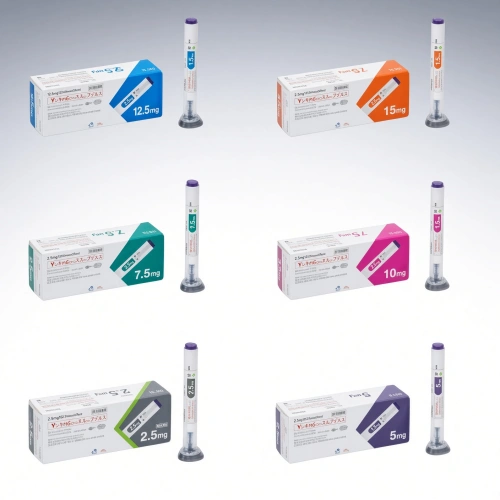
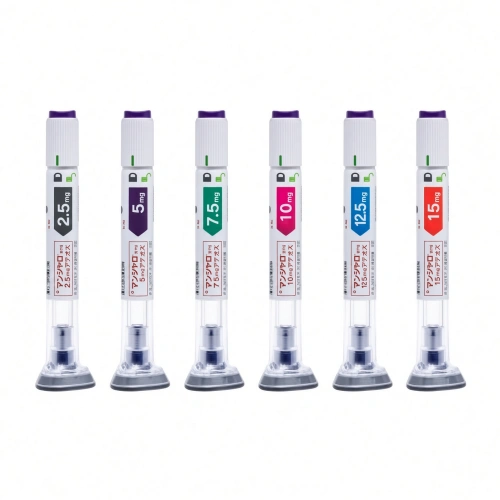
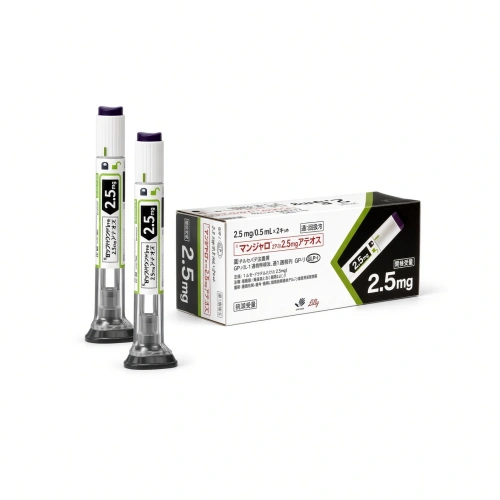
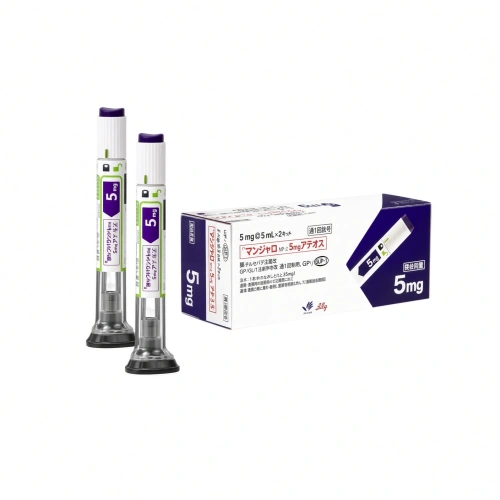
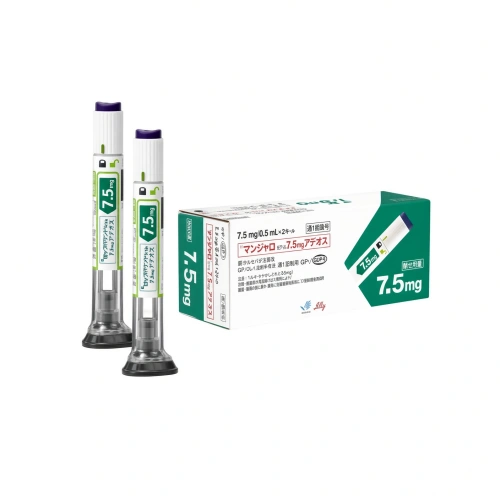
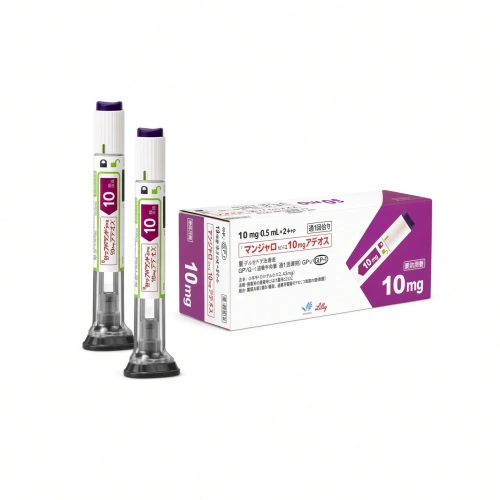
Japan's Mounjaro (Tirzepatide), a long-acting GIP/GLP-1 receptor agonist for lowering cholesterol and weight loss
CNY¥220.00 – CNY¥780.00Price range: CNY¥220.00 through CNY¥780.00
In Stock
描述
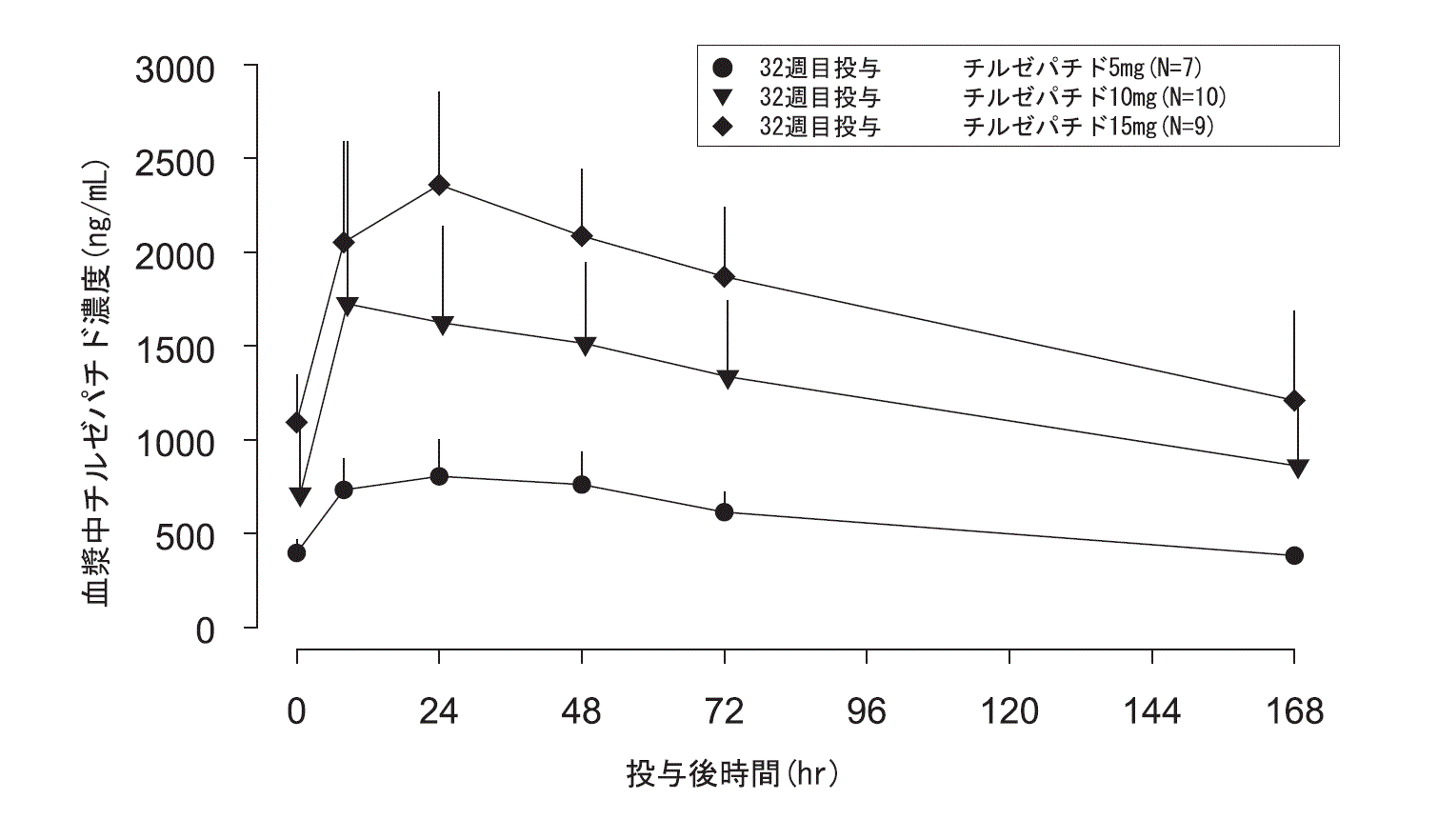
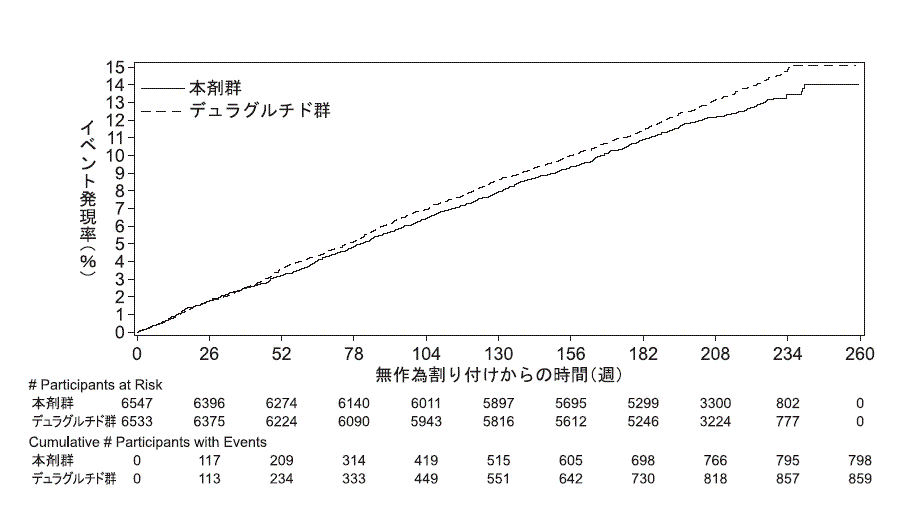
[Disclaimer]
- The information regarding medications, treatments, or health management contained in this article is compiled from international authoritative medical journals and official clinical literature, and is intended for general science and educational reference only.
- The indications, side effects, and contraindications of related medications may vary depending on national regulations and individual physical conditions. Do not blindly take medication on your own or change your treatment plan.
- The author and publishing platform assume no legal liability for any medical delays, adverse reactions, or direct or indirect losses caused by the use of the information in this article. All medical decisions should be discussed with your attending physician before being made.
Additional information
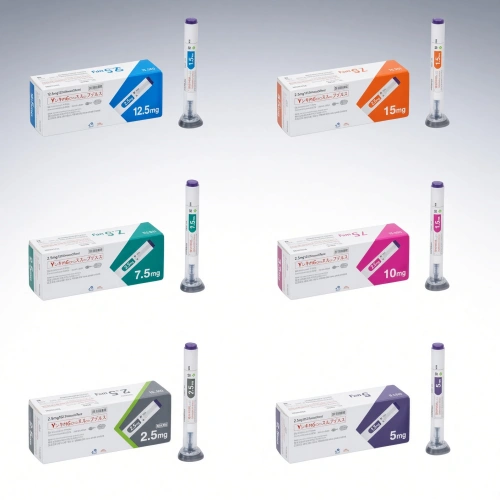
| Specifications | Tixiparib 2.5, Tixiparib 5, Tixiparib 7.5, Tixiparib 10 |
|---|
1 review for 日本 Mounjaro 替西帕肽 Tirzepatide 长效 GIP/GLP-1 受体激动剂 降脂减重
Related products
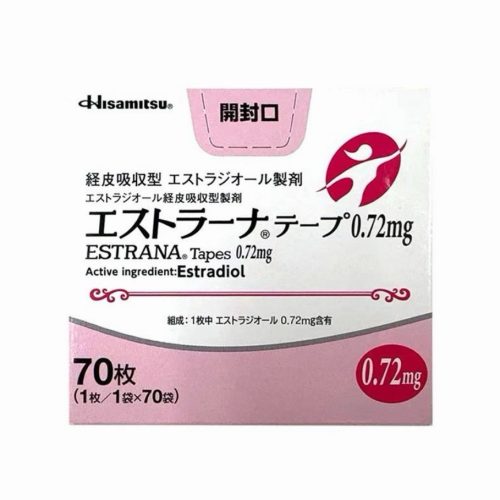


Customized products, please contact customer service
CNY ¥24,126.36
Select options
This product has multiple variants. The options may be chosen on the product page
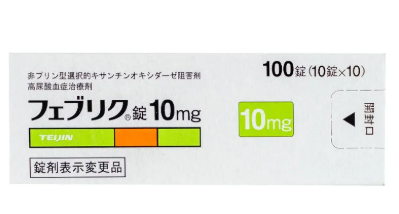
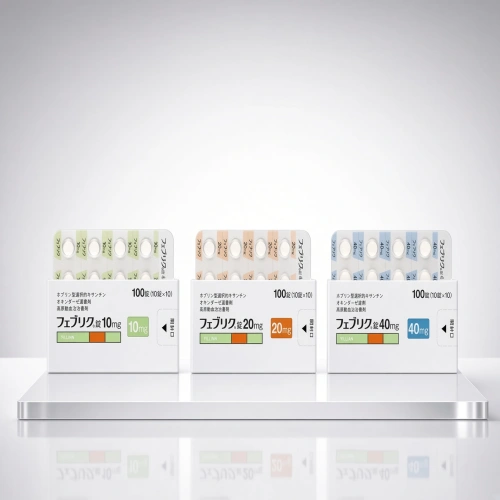
Teijin Febuxostat
CNY¥120.00 CNY¥270.00Price range: CNY¥120.00 through CNY¥270.00
Select options
This product has multiple variants. The options may be chosen on the product page
Recently viewed
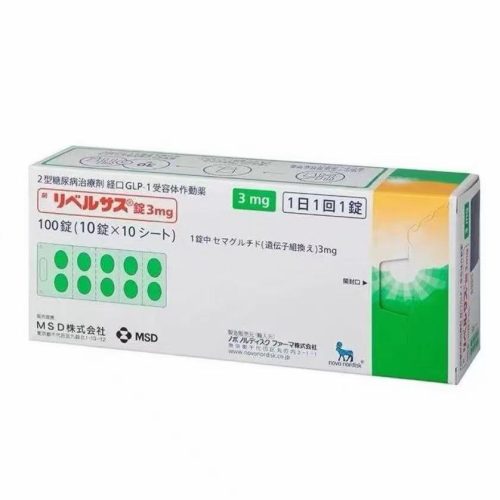

Semaglutide Tablets
CNY¥800.00 CNY¥2,750.00Price range: CNY¥800.00 through CNY¥2,750.00
Select options
This product has multiple variants. The options may be chosen on the product page
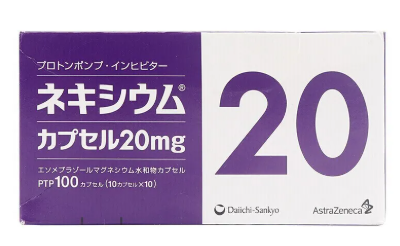
Japan's Mounjaro (Tirzepatide), a long-acting GIP/GLP-1 receptor agonist for lowering cholesterol and weight loss
CNY¥220.00 CNY¥780.00Price range: CNY¥220.00 through CNY¥780.00
Select options
This product has multiple variants. The options may be chosen on the product page
Administration –
Nice